

A Beginner’s Guide
Guitar tablature, commonly known as “tabs,” has become the go-to notation system for guitarists of all levels—especially beginners. Unlike traditional sheet music, which requires knowledge of musical theory and staff notation, tabs offer a straightforward, visual way to learn riffs, chords, and full songs directly from the fretboard.
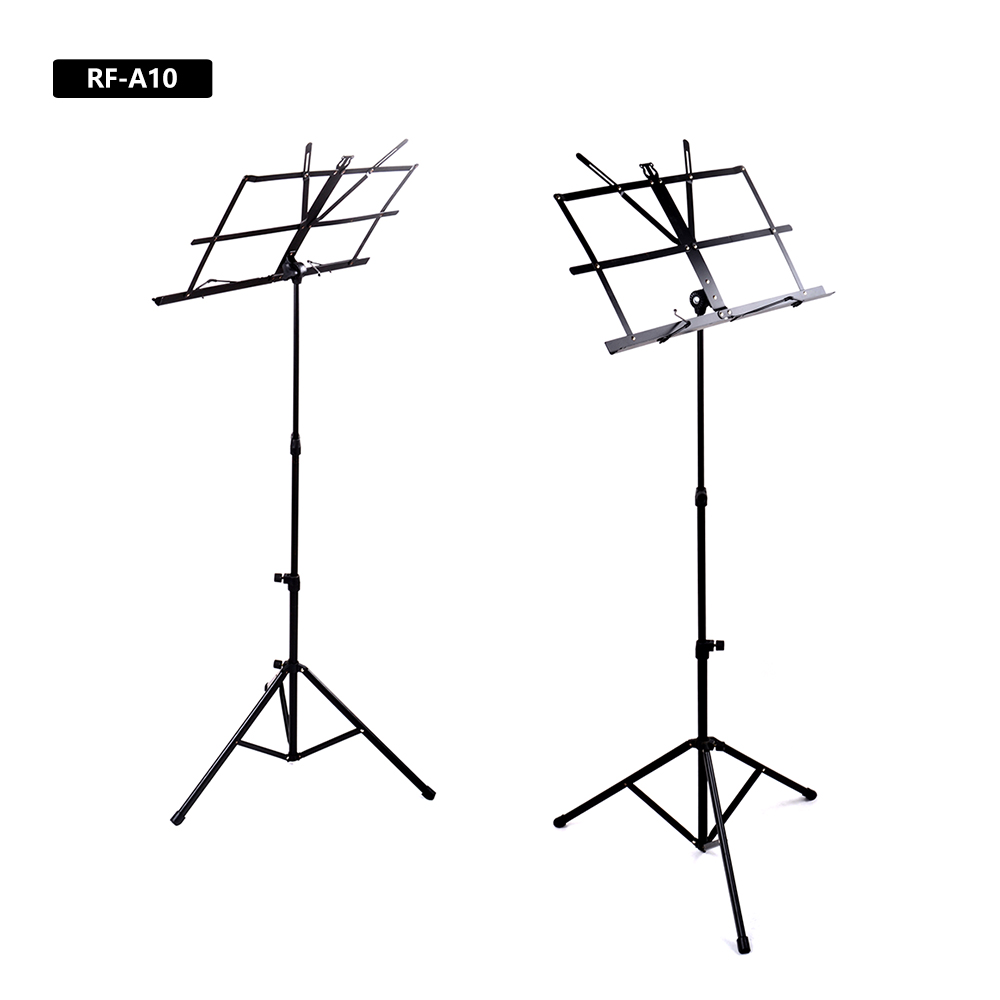
RF-A10 Small Music Stand (Music Stand for holding guitar tabs)
A standard guitar tab consists of six horizontal lines, each representing a guitar string. The top line corresponds to the high E string (thinnest), while the bottom line stands for the low E string (thickest). Numbers placed on these lines indicate which fret to press on that particular string. For example, a “3” on the top line means you should play the third fret on the high E string.
One of the key strengths of tabs is their ability to depict fingering and playing techniques clearly. Symbols are used to notate hammer-ons (h), pull-offs (p), slides (/ or \), bends (b), and vibrato (~). Rhythm and timing, however, are often less precisely defined in basic tabs, which is why many learners combine tabs with audio recordings to grasp the song’s feel.
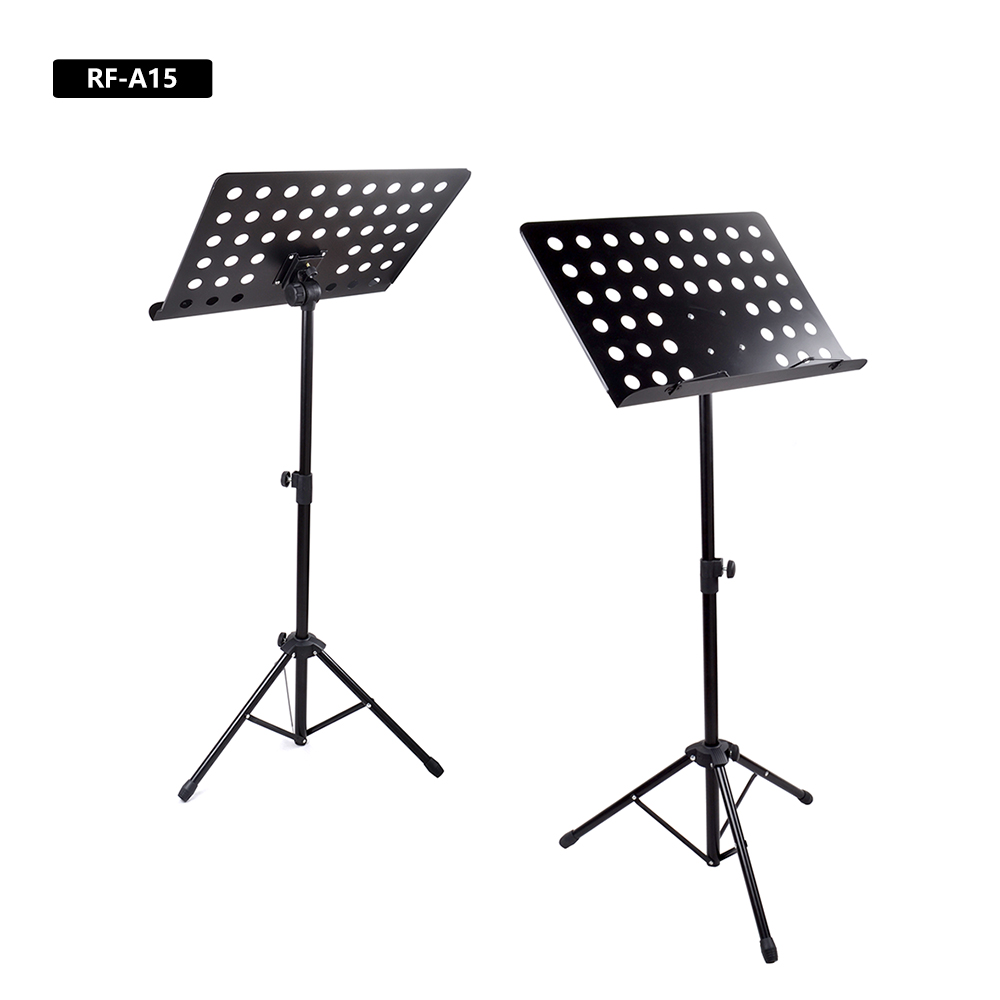
RF-A15 BigMusic Stand (Music Stand for holding guitar tabs)
While tabs may not convey the full musical nuance that standard notation offers, their simplicity and direct application to the fretboard make them an invaluable tool. Whether you're learning your first chord progression or a complex solo, mastering tablature is a practical first step toward playing the music you love.
Tip: Always cross-check tabs with a reliable audio source to ensure accuracy in rhythm and technique.